


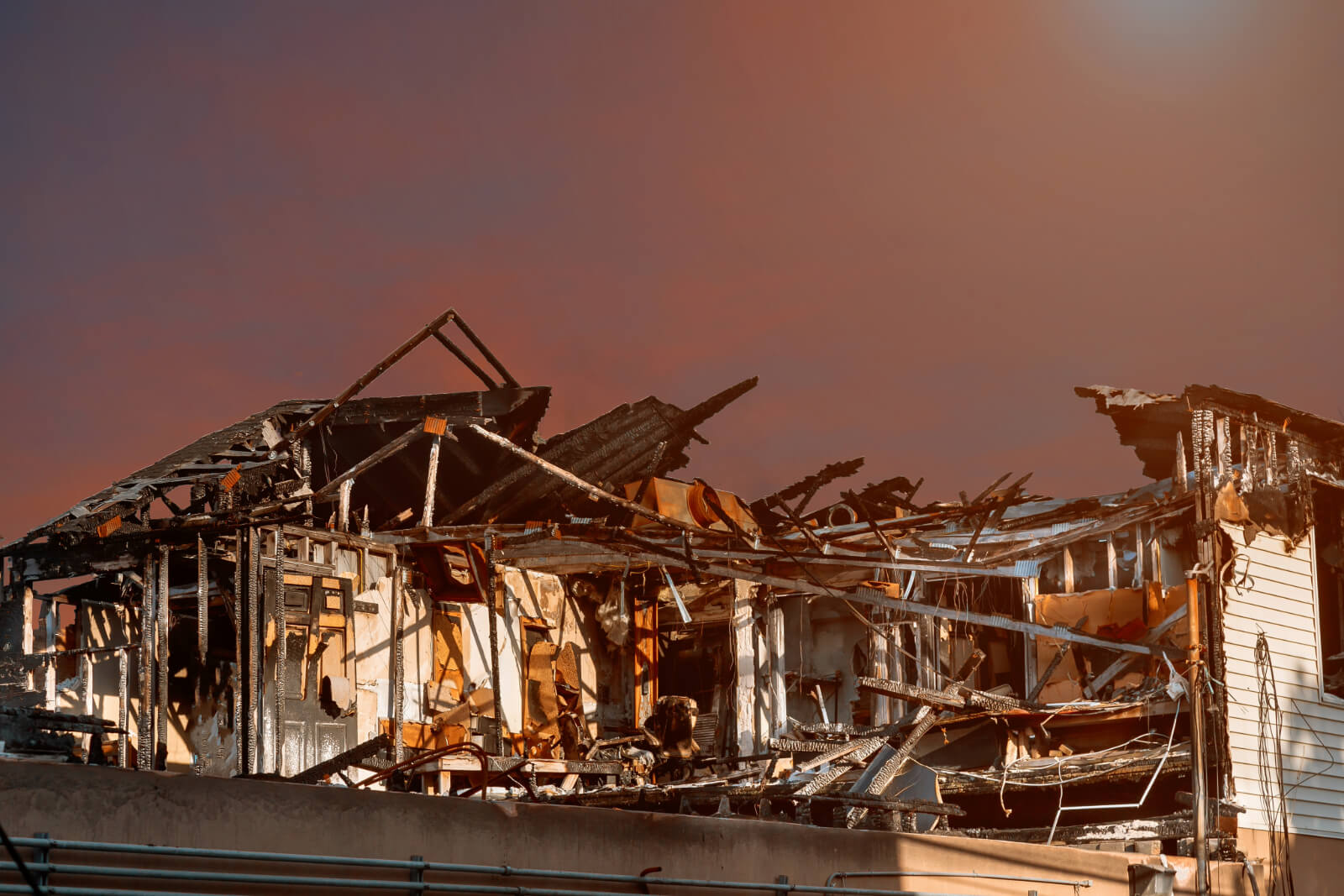
Navigating Your Storm Damage Insurance Claim: A Step-by-Step Guide
You walk outside after the storm, and your stomach drops. A tree limb through the roof. Shingles scattered across the lawn. And underneath the immediate panic, a second wave hits: now what?
Filing an insurance claim shouldn’t be this confusing. But it usually is.
As a storm damage restoration contractor who handles this process daily, we’ve walked enough homeowners through it to know exactly where people get stuck and exactly what actually gets a claim approved at full value. Here’s how it works.
First, stabilize the house. If there’s an active leak or a broken window, you need emergency home repair after storm damage before you do anything else. Tarp the exposed roof sections. Board up broken windows and doors. Keep every receipt; most policies will reimburse emergency repairs, but only if you can prove you made them.
Next comes documentation, and this is where most claims quietly go wrong.
A ground-level walk-around misses almost everything that matters. We inspect from the roof itself, checking for granule loss, soft spots, and lifted flashing that a homeowner (or a rushed adjuster) would never catch from the yard. We photograph it. We measure it. We write it up in the kind of detail an adjuster is actually trained to look for.
This is the whole job of an insurance claim assistance contractor, honestly. Vague documentation is the single biggest reason claims get underpaid. Not because the damage isn’t real, but because nobody proved it.
While you wait for the adjuster, take a few minutes with your policy. Know your deductible. Know your coverage limits. It’s boring, but it saves you from surprises later.
Then comes the moment that decides everything: the adjuster walkthrough.
We recommend you have your contractor there for this. When we walk the roof alongside your adjuster, we point to the exact damage we documented not vague descriptions, but specific spots, specific evidence. That’s how you close the gap between what actually happened to your home and what ends up approved for repair. It’s also how the scope of the roof repair and installation matches reality, instead of a rough guess made from the ground.
Once the claim’s approved, you need a real number, not a ballpark. We provide an itemized estimate for the full repair or replacement, so there’s no confusion about what’s covered and what isn’t. And here’s the part that matters most: the same team that documented your damage is the one that shows up to fix it. No handoff. No new company mid-project explaining why the first estimate was wrong.
The last step is simple. Schedule the work and let one accountable team carry it through, start to finish.
A storm is out of your control. How the recovery goes doesn’t have to be.
If you’re standing in your yard right now trying to figure out where even to start, start with a walkthrough. We’ll tell you exactly what we see, and exactly what it means for your claim.